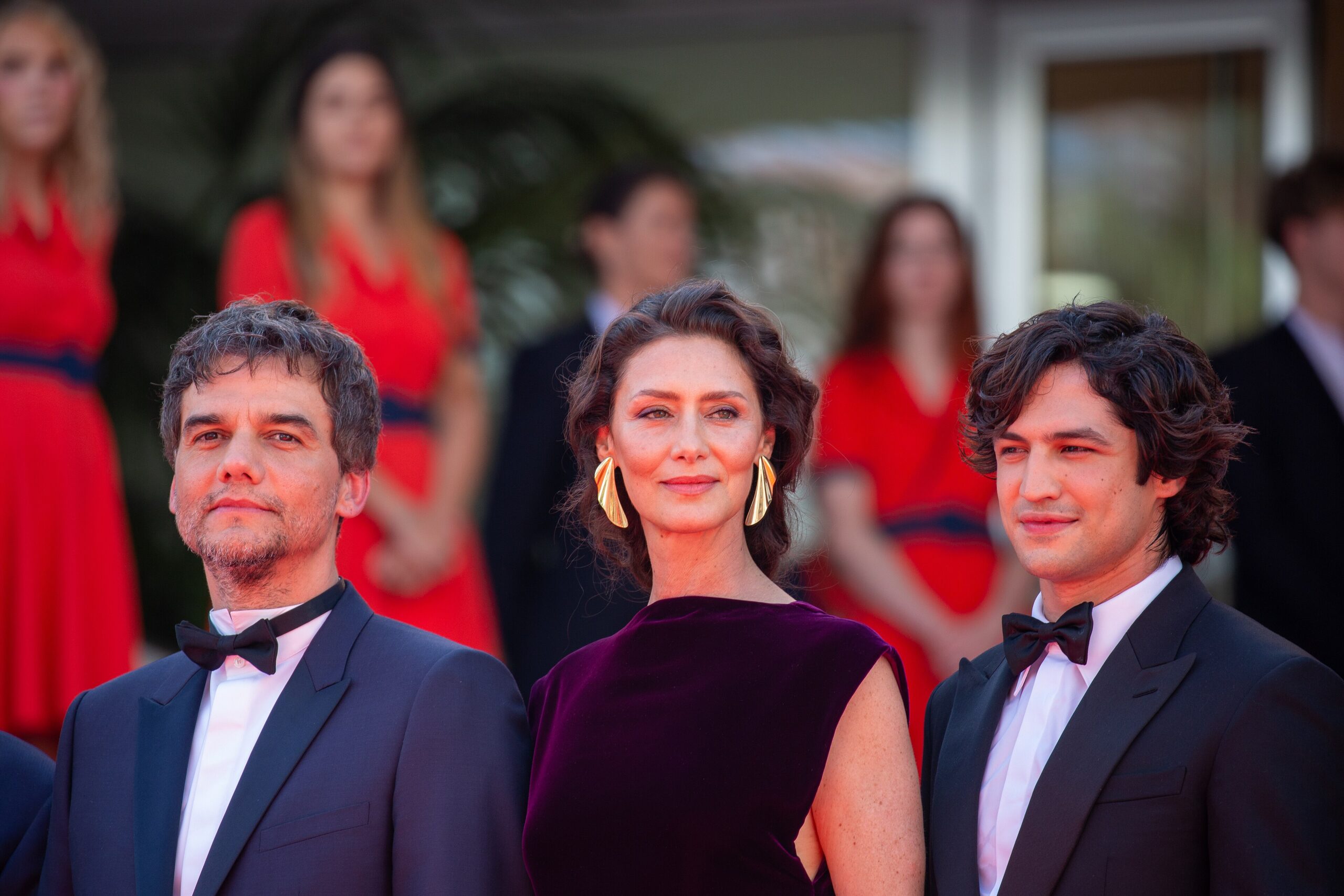
Queer Global And Light On Hollywood What Cannes 2026s Lineup Really Means
Cannes 2026 lineup is official and it shocks Hollywood. Queer, global, light on Hollywood - that is the headline.
18 films in competition, only 3 American. Rest from Senegal, Brazil, Korea, Romania. Palme d'Or will be political.

Table of Contents
- Why Cannes 2026 Lineup Is Queer
- Global South Takes Over
- Light On Hollywood - On Purpose
- What Cannes 2026s Lineup Really Means
1. Why Cannes 2026 Lineup Is Queer
For first time, 7 of 18 competition films are queer stories. And Cannes 2026 lineup puts them center stage.
Not sidebars, not Queer Palm. Main competition. Brazilian trans road movie, Korean lesbian thriller, Senegalese non-binary epic.
Thierry Fremaux said: queer is not niche, it is mainstream. Market agrees - A24, Mubi already bidding before premiere.
Similar shift seen in Venice. See most beautiful Venice Film Festival stars and Pamela Anderson Venice red carpet for inclusive red carpets.
2. Global South Takes Over Cannes 2026 Lineup
Hollywood used to own Croisette. Not now. Cannes 2026 lineup has 12 films from Global South.
Senegal, Thailand, Colombia, Nigeria. No US studio in main slate for first time since 1972.
Reason: money and truth. Global films cheaper, fresher, win Palmes. 2023, 2024, 2025 Palmes all non-US. Trend continues.
Business logic like beauty balance sheet — diversity sells better than superheroes in 2026.
Financing via Variety and Screen Daily shows 60% funding now from Asia/Africa.
3. Light On Hollywood - Why Cannes 2026 Lineup Has Only 3 US Films
Hollywood is light, not absent. 3 US films: one indie, one A24, one Netflix that finally got invited.
Studios skipped Cannes 2026 for July box office. They fear standing ovation boo combo from showbiz at Cannes standing ovations.
Fremaux: we asked for Barbie 2, they offered trailer. We said no.
Result: Croisette quieter, more serious, no Tom Cruise helicopter. And critics love it.
Real estate of stars shifted to Vienna too, see inside Vienna 2026.
4. What Cannes 2026s Lineup Really Means For Future
What Cannes 2026 lineup really means is power shift. Queer, global, not Hollywood, is future of cinema that matters.
Palme d'Or predictor: queer Brazilian film leads odds. If wins, first trans Palme ever.
Hollywood will return 2027 with money, but 2026 is statement year. Like showbiz at Cannes gossip showed, buzz is not US anymore.
For fans: pack linen, straw tote, see stars have already packed, because Cannes 2026 will be hot, political, unforgettable.
And Cannes 2026 lineup proves festival finally looks like world, not just Hollywood Boulevard.
When Croisette opens May 13, question is not who wins Palme, but whether Hollywood can win it back.
Sources: Festival de Cannes official | Variety | Hollywood Reporter