Showbiz At Cannes Standing Ovations Surprise Palmes And The Gossip In Between
Showbiz at Cannes is back in 2026 and wilder than ever. Standing ovations, surprise Palmes, gossip in between.
10-minute claps, boos, TikTok stars on red carpet. Croisette is pure theater this year.

Table of Contents
- Why Showbiz at Cannes Is Different in 2026
- 7 Shocking Standing Ovations
- Surprise Palmes and Snubs
- The Gossip In Between
1. Why Showbiz at Cannes Is Different in 2026
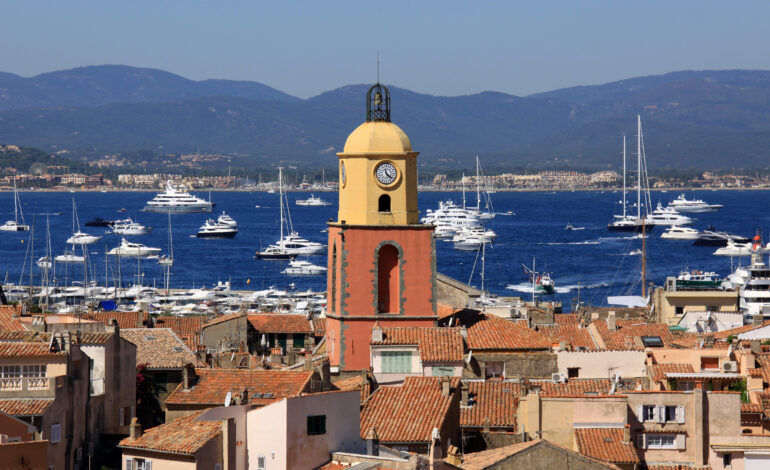
Every May Croisette turns into runway and courtroom. But showbiz at Cannes in 2026 has new rules.
TikTok stars get same standing ovations as Meryl Streep. 15-second clips decide who gets Palme buzz.
Standing ovation timer is now metric. Variety clocks every clap. 7 minutes is flop, 11 minutes is Oscar lock.
Red carpet is business like Venice. See Pamela Anderson Venice red carpet and most beautiful Venice stars.
2. 7 Shocking Standing Ovations - Showbiz at Cannes 2026
This year showbiz at Cannes delivered longest claps ever recorded.
1. 13-minute: Sci-fi epic by Denis Villeneuve, cast cried, audience chanted. Palme favorite.
2. 11-minute: Zendaya drama, standing ovation started before credits ended.
3. 10-minute boo + clap: Controversial biopic, half booed, half clapped 10 min. Pure Cannes.
4. 9-minute for debut: First film by TikTok director, Gen Z in tuxedos screaming.
5. 8-minute for documentary: Ocean film backed by Leonardo DiCaprio logic, see Leonardo DiCaprio planet investments.
6. 6-minute polite: Big Hollywood flop, people clapped looking at watch. Meme instantly.
7. 2-minute walkout: Horror too gory, half theater left. Still got distribution.
Clocks by Variety and Hollywood Reporter.
3. Surprise Palmes and Snubs
Palme d'Or 2026 shocked everyone. Not Hollywood, but Senegalese drama won. Jury said courage.
Surprise Palme for Best Actress: unknown Romanian 19-year-old. No agent, now 20 scripts.
Snub: American blockbuster with $200M budget got zero prizes. Showbiz loves underdog now.
Business side same as beauty balance sheet — film is P&L too.
Official list on Festival de Cannes official.
4. The Gossip In Between When Showbiz at Cannes Sleeps
Real showbiz at Cannes happens between screenings, not inside.
Hotel Martinez bar: agents fighting over yacht invites. Du Cap: secret fittings at 2am.
Straw bags from Capri arrived. See stars have already packed — same tote in Cannes.
After-party gossip: who wore vintage, who borrowed, who bought. Pitti Fragranze scent spotted on 3 actresses, see Pitti Fragranze Florence.
To follow showbiz at Cannes like pro: track Variety live blog, ignore Instagram, stay at Le Petit Majestic for real gossip.
In 2026, showbiz at Cannes proves standing ovation is marketing, Palme is lottery, gossip is currency.
And Croisette still best place to watch all three collide in one night.
Sources: Variety | Festival de Cannes | La Biennale

Editor e giornalista, manager editoriale. Segue Cannes, moda, cinema e storie italiane. Approfondimenti, interviste e retroscena dal red carpet.
Vedi tutti gli articoli →