Inside Vienna 2026 Accessibility Returning Stars And A 70th Birthday Stage
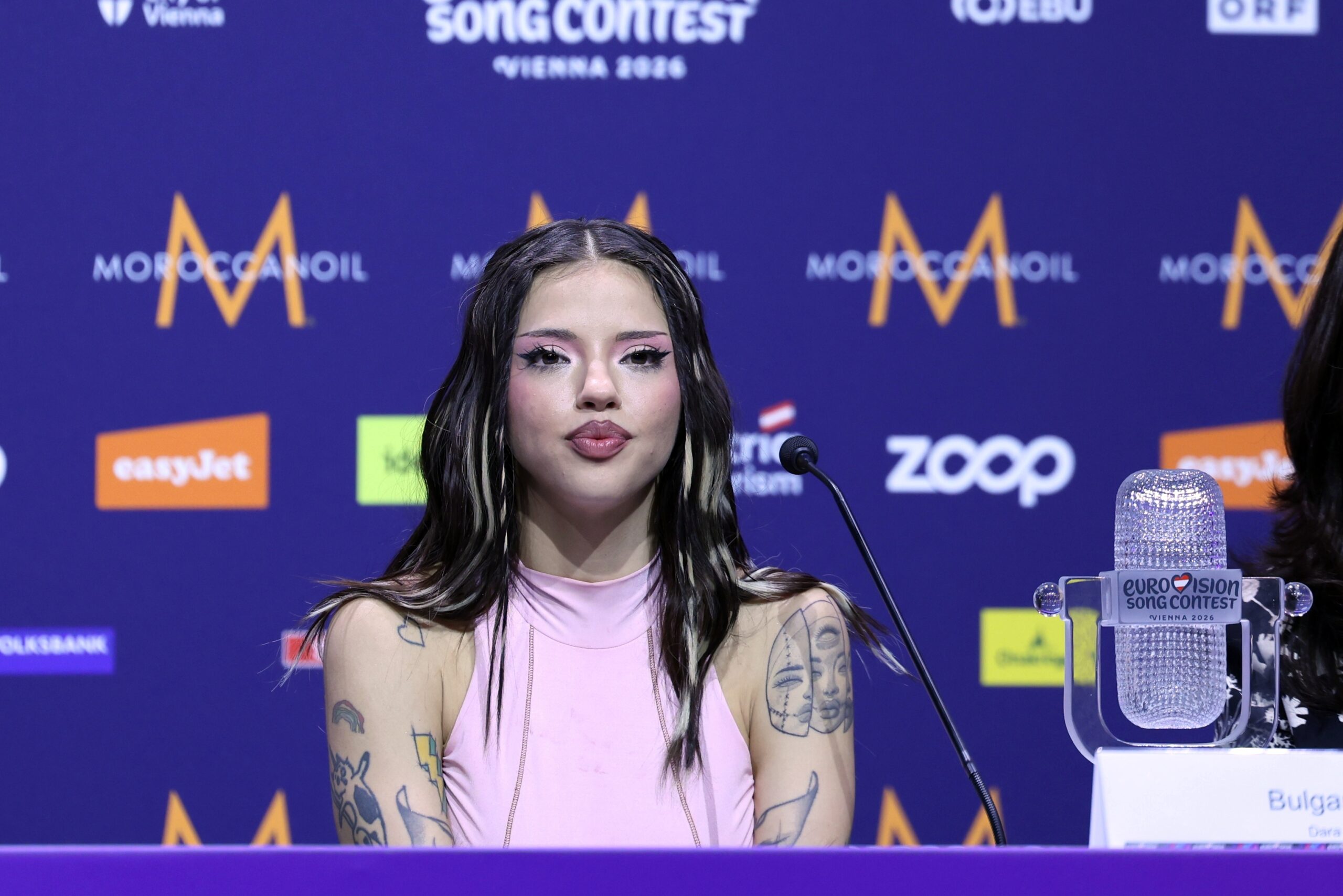
Inside Vienna 2026 is Eurovision 70th birthday and everything changes. Accessibility, returning stars, massive stage.
Vienna hosts Eurovision Song Contest 2026 for 70th anniversary. ORF promises most accessible edition ever.

Table of Contents
- Why Inside Vienna 2026 Is Historic
- Accessibility Revolution
- 7 Returning Stars Shocking Comebacks
- 70th Birthday Stage Design
1. Why Inside Vienna 2026 Is Historic
Eurovision started 1956. 2026 is 70th. And inside Vienna 2026 will be epicenter.
Vienna hosted 1967 and 2015 after Conchita Wurst win. Now 2026 third time, first 70th birthday edition.
Stadthalle D, 16k capacity, fully renovated for accessibility. ORF says no fan left behind.
Showbiz scale like Cannes. See showbiz at Cannes standing ovations and Venice Film Festival stars.
2. Accessibility Revolution - Inside Vienna 2026 Promise
ORF announced inside Vienna 2026 as first fully accessible Eurovision in history.
Wheelchair spaces doubled from 2015. Audio description live, sign language on all shows, tactile stage tours for blind fans.
Low sensory rooms, quiet zones, free companion tickets. Vienna transport 100% step-free to Stadthalle for first time.
Ticket lottery reserves 15% for disabled fans at cost price. No resale markup. That is new.
More on inclusive events in events coverage and lifestyle features.
3. 7 Returning Stars Shocking Comebacks
70th needs legends. And inside Vienna 2026 leaks 7 shocking returning stars.
1. Conchita Wurst (Austria 2014): Hosting, not competing. Opening 70th birthday anthem.
2. Loreen (Sweden 2012, 2023): First double winner to perform both winning songs mashup.
3. Måns Zelmerlöw (Sweden 2015): Returning for interval act with 2015 staging tech remastered.
4. Netta (Israel 2018): Toy reimagined with 70-piece Vienna orchestra.
5. Salvador Sobral (Portugal 2017): Acoustic set on birthday stage piano.
6. Maneskin (Italy 2021): Rumored surprise rock interval. ORF says maybe.
7. ABBA hologram tribute: 1974 Waterloo 50+ years, 70th birthday hologram Bjorn cameo.
Sources Eurovision.tv official and ORF.
4. 70th Birthday Stage - Inside Vienna 2026 Design
Stage is birthday cake and time machine. Design for inside Vienna 2026 is by Florian Wieder, who did 2015 Vienna stage.
360-degree LED floor, 70 moving arches for 70 years. Each arch lights for each winner since 1956.
Sustainable: 100% recycled steel, solar-powered LED, no pyrotechnics smoke. Green like Leonardo DiCaprio planet investments logic.
Beauty meets finance too: production budget €28M, biggest ever. See beauty balance sheet for business of showbiz.
Packing list for fans already: linen, straw tote, SPF stick. Same as stars have already packed.
When inside Vienna 2026 opens May 2026, 70th birthday will not be just show. It will be statement: Eurovision accessible, legendary, sustainable.
Vienna ready. Stage ready. Returning stars packed.
Sources: Eurovision.tv | ORF | Vienna Tourism